.jpg)
Choosing the best headless CMS for B2B SaaS is not simply a tooling decision, but it’s also a content architecture choice. For technical teams, headless CMS promises flexibility, API-first delivery, and multi-channel scalability. However, for many B2B SaaS companies, this often introduces unnecessary complexity and rising costs.
Before making a commitment to headless infrastructure, you have to understand whether your business genuinely needs it, or if you can find better ROI from alternative solutions. Implementing a headless CMS requires investment in custom frontend development, ongoing engineering, and long-term architectural maintenance. For many B2B SaaS companies, that shift can be more expensive than simple marketing-focused solutions.
Best Headless CMS for B2B SaaS
Contentful is an enterprise leader for B2B SaaS companies with multi-channel content needs and complex infrastructure requirements. Sanity is well-suited to developer-focused teams seeking flexibility and real-time collaboration. Strapi, on the other hand, is ideal for self-hosted environments where ownership matters the most.
But it will be the case that a lot of B2B SaaS companies don’t actually need a headless CMS for their marketing website. Instead, platforms like Webflow and WordPress typically deliver faster results and have lower overall costs. Headless is crucial when content needs to flow across multiple platforms, or when engineering teams require programmatic API access to content.
Abstract
Headless CMS platforms provide a powerful content infrastructure that serves websites, mobile apps, documentation portals, and in-app experiences derived from a single source of truth. For those B2B SaaS companies that are growing, this is flexibility that can prove transformative.
But the reality is that many of them over-engineer their content stack. A headless CMS introduces development overhead, architectural complexity, and higher long-term cost. If your content is primarily on marketing websites, you may not need headless infrastructure.
This guide breaks down when headless CMS makes the most sense for your business, compares the leading platforms, and provides a practical framework to help you make the right decisions.
A leading Webflow agency, Veza Digital regularly advises clients on whether Webflow is sufficient, and where they require headless CMS to truly thrive. We have a simple goal, to help B2B SaaS companies avoid doing too much or too little with their content stack.
Quick Reference: Headless CMS Comparison
Here’s a breakdown of how the leading headless CMS platforms compare at a glance.
Do You Actually Need Headless CMS?
Yes, if:
- Content appears in website AND mobile app AND/or other platforms
- Engineering needs programmatic content access (API)
- Complex content modeling requirements
- Multi-language content at enterprise scale
- Existing React/Next.js frontend preference
No, if:
- Marketing website is your only content destination
- Marketing team needs full autonomy (no dev dependency)
- Speed to market is critical (weeks, not months)
- Small team without dedicated developers
- Blog + marketing pages is the primary use case
If "No" applies: Consider Webflow or WordPress instead. Simpler, faster, cheaper.
Introduction to Headless CMS in B2B SaaS

Headless CMS has become a popular architectural choice for modern B2B SaaS enterprises. Before comparing platforms, it’s crucial to understand what the term “headless” actually means, and when it creates strategic value versus unnecessary complexity.
Overview of Headless CMS
A headless CMS separates content management from presentation. Instead of tightly coupling the backend and frontend, headless systems deliver content via APIs to any presentation layer. The “body” stores structured content, while the “head” (typically a Next.js, React, or mobile frontend) consumes and renders said content.
This decoupled architecture provides engineering teams full control over the frontend experience. Platforms such as Contentful and Sanity provide REST and GraphQL APIs that allow content to power websites, mobile apps, documentation portals, and in-app experiences from a single source.
By contrast, traditional CMS platforms such as Webflow and WordPress combine backend and frontend within a single system. They provide built-in templates, server-rendered pages, and visual editing tools. This makes them simpler to launch and manage, but they’re less flexible for multi-channel delivery.
For B2B SaaS companies with API-first products, engineering-led roadmaps, or content that has to appear across multiple platforms, that architectural distinction becomes strategically significant.
Traditional CMS vs. Headless
ely lives in a single destination. Marketing teams manage scalable, structured content, while product and support teams contribute to documentation and help centers within the same system.
A headless CMS provides a single source of truth that can power these destinations. Engineering teams can integrate content delivery into product experiences. Marketing teams will be able to manage structured content that scales, while products and support teams contribute to documentation and help centers.
But the reality is that headless can introduce architectural complexity. It requires frontend development, API orchestration, and ongoing engineering involvement. For companies whose content primarily lives on marketing websites, this level of infrastructure may be unnecessary.
First determine whether your growth model requires content infrastructure before committing to a headless CMS.
Headless vs. Traditional CMS Comparison
Key Features of the Best Headless CMS for B2B SaaS
Choosing the best headless CMS for B2B SaaS isn’t just about brand recognition, but about selecting capabilities that align with your architecture, team structure, and growth plans. The right platform should support scale, developer workflows, enterprise security, and seamless integration, and should do so without introducing unnecessary friction.
Scalability and Performance
As B2B SaaS companies grow, content volume and API requests increase across marketing sites, applications, and documentation portals. At that scale, performance and infrastructure resilience become critical.
Enterprise platforms such as Sanity and Contentful are designed and built for global distribution, offering CDN-backed delivery and strong API performance. Hygraph can also provide enterprise-level infrastructure with GraphQL-native architecture. Open-source platforms like Strapi can scale effectively. Ultimately, performance depends on deployment and infrastructure management.
API-Driven Content Delivery
Headless CMS platforms are fundamentally API-first. Most support REST and GraphQL, while Sanity also offers GROQ for advanced, highly structured querying.
API-driven delivery allows any frontend to consume structured content. For B2B SaaS, this includes marketing pages, product documentation, onboarding flows, and release notes, as well as help centers that are all powered by the same content model.
This flexibility adds capability, but it also requires engineering teams to design, maintain, and optimize API consumption across environments. For marketing-led organizations, that overhead may prove unnecessary.
Developer and Engineering Team Experience
For engineering-led organizations, developer experience often determines long-term platform satisfaction. TypeScript support, SDK availability, CLI tools, preview environments and documentation quality all influence developer productivity.
Sanity and Payload are excellent for strong code-first workflows and native TypeScript support. Contentful offers extensive SDK coverage and mature documentation. Strapi provides greater flexibility, but it tends to require more hands-on configuration.
If your team relies on Git-based workflows and CI/CD pipelines, these differences become materially significant.
Enterprise-Grade Features
B2B SaaS companies handling sensitive data often require SOC 2 compliance, SSO/SAML, audit logs, encryption, and structured governance workflows.
Enterprise tiers unlock advanced governance control. With self-hosted platforms, flexibility increases, but so does your team’s security responsibility.
Integration Capabilities
B2B SaaS ecosystems rarely operate in isolation. Your CMS must integrate with frontend frameworks, analytics tools, marketing automation platforms, translation services, and asset management systems.
Strong integration capabilities are essential for enabling automation, personalization, localization, and composable architecture strategies. Integration flexibility is only really relevant if your content needs to be extended across multiple platforms.
Features Comparison Table
Soft CTA: Headless CMS might be the right choice for your business, but if you’re considering a Webflow alternative, get in touch with Veza Digital and utilize our Webflow Enterprise expertise.
Evaluation Criteria for Selecting the Best Headless CMS
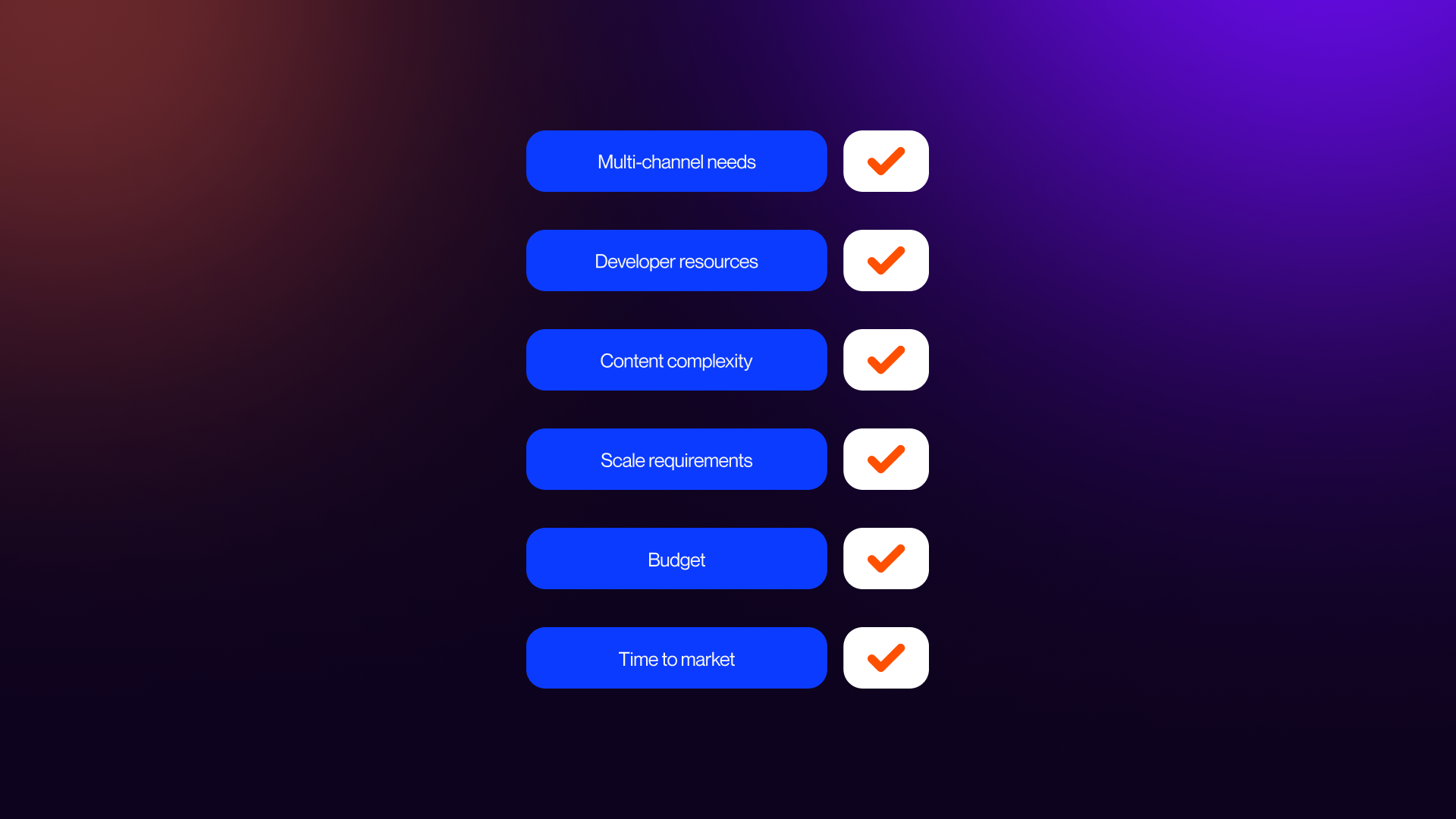
Choosing the best headless CMS requires more than feature comparison. It also demands a structured evaluation of architecture, team capability, budget, and business priorities. Before committing to headless infrastructure, make sure you align your decision with your go-to market speed, internal resources, and long-term content strategy.
Decision Framework for B2B SaaS
Not every B2B SaaS company needs headless content management. Use the framework below to determine whether headless is strategic infrastructure, or unnecessary complexity.
If speed and marketing autonomy are core priorities, a platform like Webflow might be more appropriate. This is especially true for companies evaluating the best website builders for B2B SaaS. If your content needs to power multiple environments, headless platforms, such as Sanity, are the leading option. However, for enterprise multi-channel infrastructure, Contentful could be the better choice.
The main element here is cost versus benefit. Platform pricing is only one component that’s involved, while things like development time, engineering maintenance, and opportunity cost need to be included in the decision.
Pricing and Enterprise Plans
Headless CMS pricing also varies significantly.
However, subscription cost is only a part of the equation. You need to factor in frontend development, API architecture, hosting, and ongoing engineering support.
In practice, headless implementations can often cost 2-5x more than marketing-first platforms like Webflow. For companies looking to build a marketing website, exploring resources such as why every B2B company should be using Webflow, before committing to infrastructure, may provide higher ROI.
Calculate the total cost of ownership, and not just platform pricing.
User Experience and Collaboration
Headless CMS platforms vary significantly in editor usability and collaboration capabilities.
Marketing teams that need to prioritize autonomy will benefit from traditional CMS platforms that may offer a smoother experience. As discussed in our guide on best website builders for B2B visual editing and reduced developer dependency can significantly accelerate campaign velocity.
Security and Compliance
Enterprise B2B SaaS companies typically require SOC 2 Type II compliance, GDPR adherence, SSO/SAML, encryption at rest and in transit, and data residency controls.
Self-hosted platforms such as Strapi or Payload offer full control, but compliance responsibility shifts to your infrastructure team.
Before selecting a platform, align your security requirements with internal capability and long-term governance strategy.
CTA: Not every business needs headless architecture. If speed, autonomy, and marketing performance are priorities for your business, compare your options and check out Veza’s guide to the best website builders for B2B SaaS.
Benefits of Headless CMS for B2B SaaS Growth
Headless CMS can become a strategic growth asset when it’s implemented correctly. For B2B SaaS companies that operate across multiple content environments, headless infrastructure enables scalability, flexibility, and cross-team alignment that the traditional CMS platforms struggle to support.
Flexibility and Customization
Headless CMS provides architectural flexibility; content is delivered via API, which allows teams to build with frontend frameworks (such as React and Next.js) without the constraints of templated systems.
This flexibility matters most for SaaS companies with complicated product documentation, customer-specific experiences, and enterprise localization workflows. Content models can be fully customized to reflect product structure and business logic.
Headless also reduces platform lock-in. Content remains portable and reusable across environments, supporting long-term product evolution.
Flexibility only matters if your architecture requires it. If your primary goal is launching and scaling a marketing site, resources such as why every B2B company should be using Webflow, or direct comparisons, such as Webflow vs Contentful should help to clarify whether infrastructure-level complexity is justified.
Improved Content Delivery and Marketing
For SaaS companies operating across website, app, documentation portal, and in-app experiences, headless provides a unified content backbone.
A single source of truth ensures cross-channel consistency. Updates propagate via APIs, reducing duplication, and improving version control. Structured content can power marketing pages, onboarding flows, help centers, and release notes simultaneously.
When API-driven architecture is implemented correctly, it can also help to support performance optimization. Modern frontends, edge caching, and structured delivery can improve page speed and Core Web Vitals. This is most effective when aligned with broader strategies, such as those outlined in why B2B SaaS websites should prioritize SEO.
Enhanced Collaboration and Workflow
Headless CMS strengthens collaboration right across your SaaS teams by clearly separating content ownership from frontend implementation.
Structured workflows and version control help enterprises maintain governance at scale.
For those managing multi-channel content across departments, headless can provide long-term operational clarity. However, if your organization’s content is designed to support a marketing website, reviewing our case studies or choosing to work with Veza can help determine if headless infrastructure, or high-performance Webflow implementation, is the smarter choice for your business growth.
Benefits Comparison Table
Top Headless CMS Platforms for B2B SaaS
Not all headless CMS platforms are created equal, and not all are designed with the same use case in mind. Some focus on scale and governance, while others are designed for developer flexibility or cost control. Choosing the right platform will depend on your architecture, team structure, and long-term growth.
Overview of Leading Platforms
These are the leading headless CMS platforms to evaluate.
Contentful
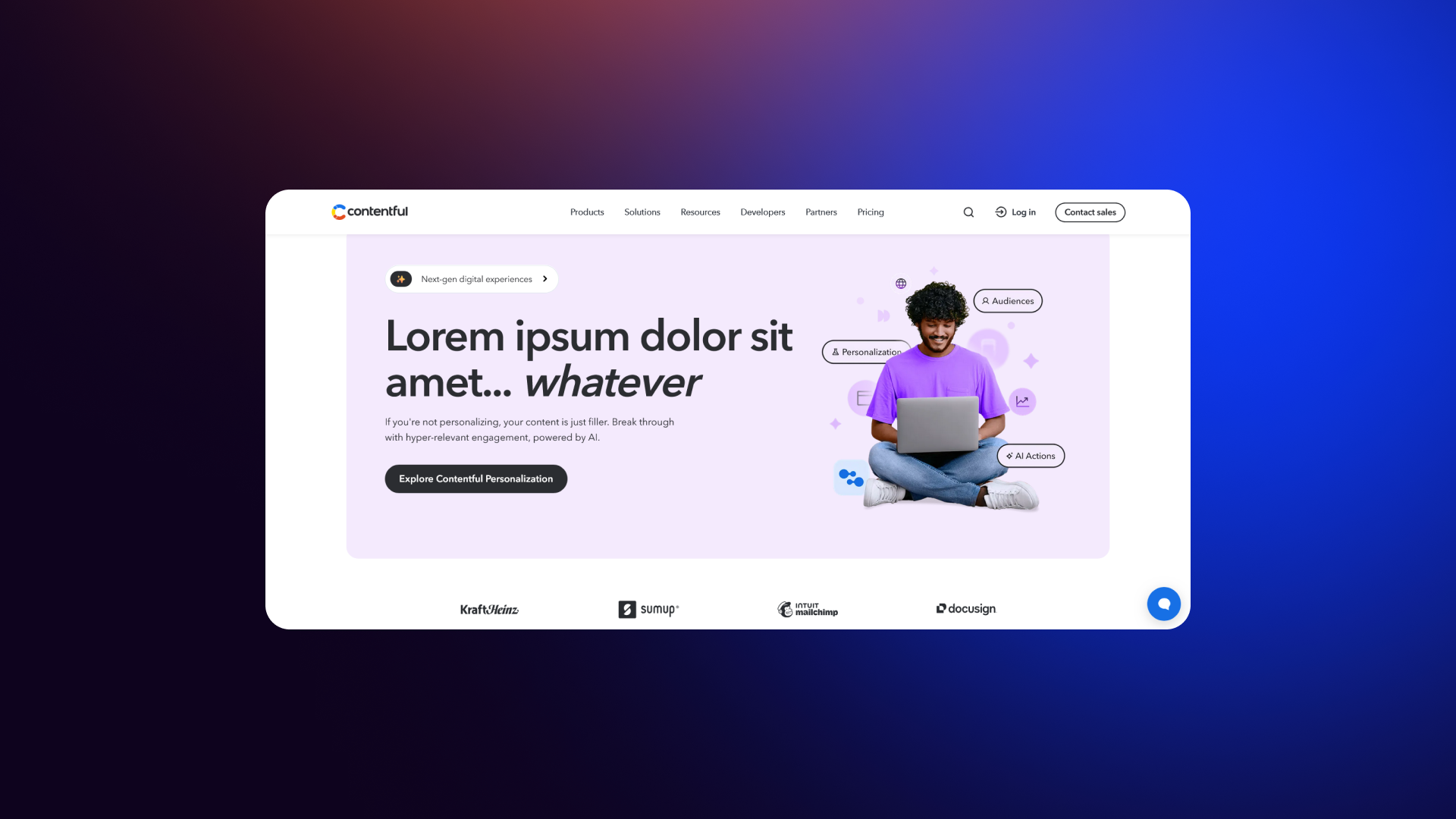
Often considered the market leader in headless CMS, Contentful is proven at scale across large B2B SaaS organizations. Offering a mature ecosystem, strong enterprise controls, and global infrastructure, the trade-off here is typically cost and complexity. Contentful is best suited for large SaaS companies that run multi-channel content across marketing, product documentation, and in-app environments. If you’re looking to compare marketing-first vs infrastructure-first approaches, check out our Webflow vs Contentful blog to gain insight.
Sanity
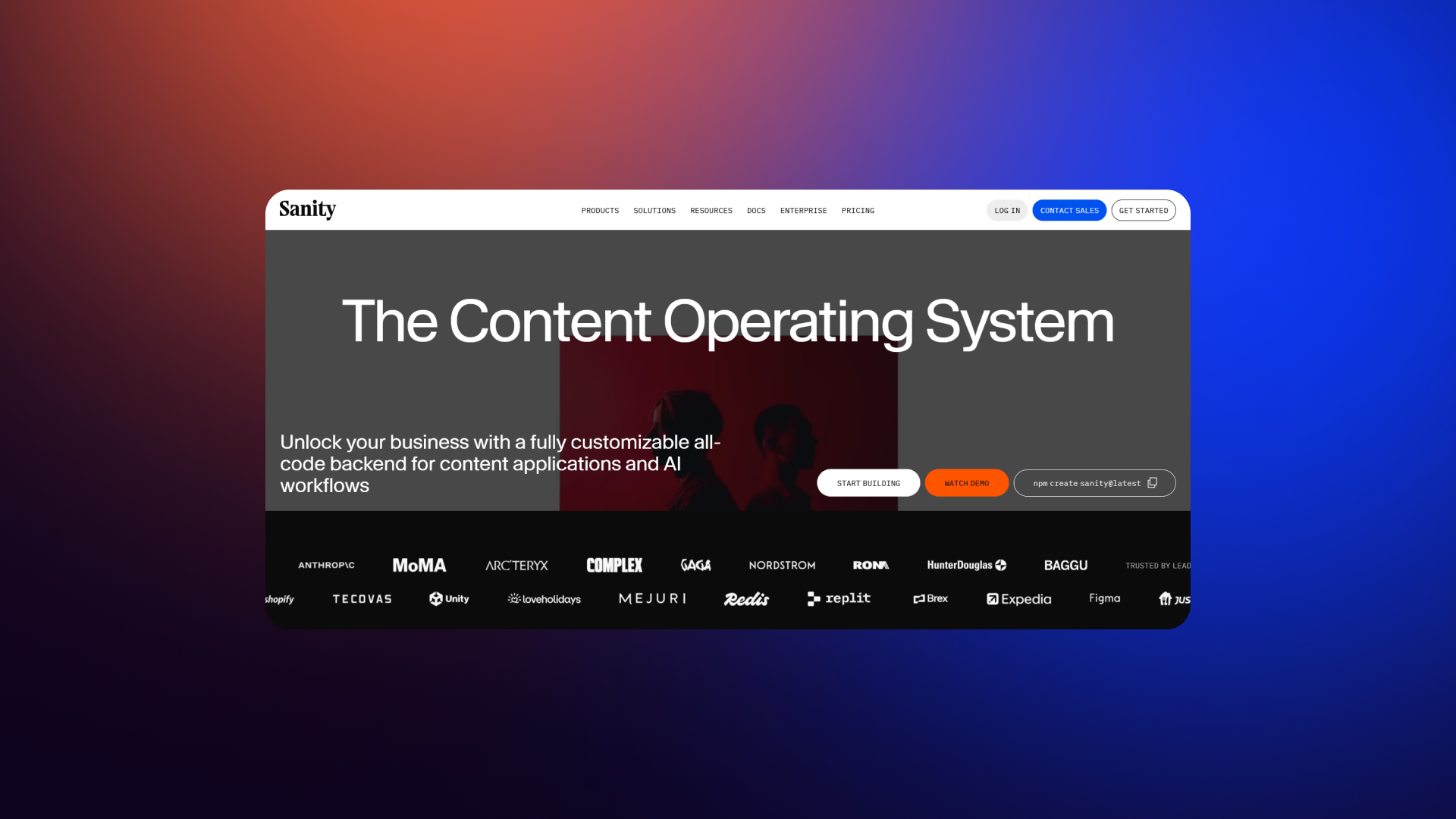
Sanity is something of a developer favorite thanks to its flexibility and real-time collaboration capabilities. Its GROQ query language and strong TypeScript support makes it a strong option for technical teams looking to build and develop custom content workflows.
Strapi
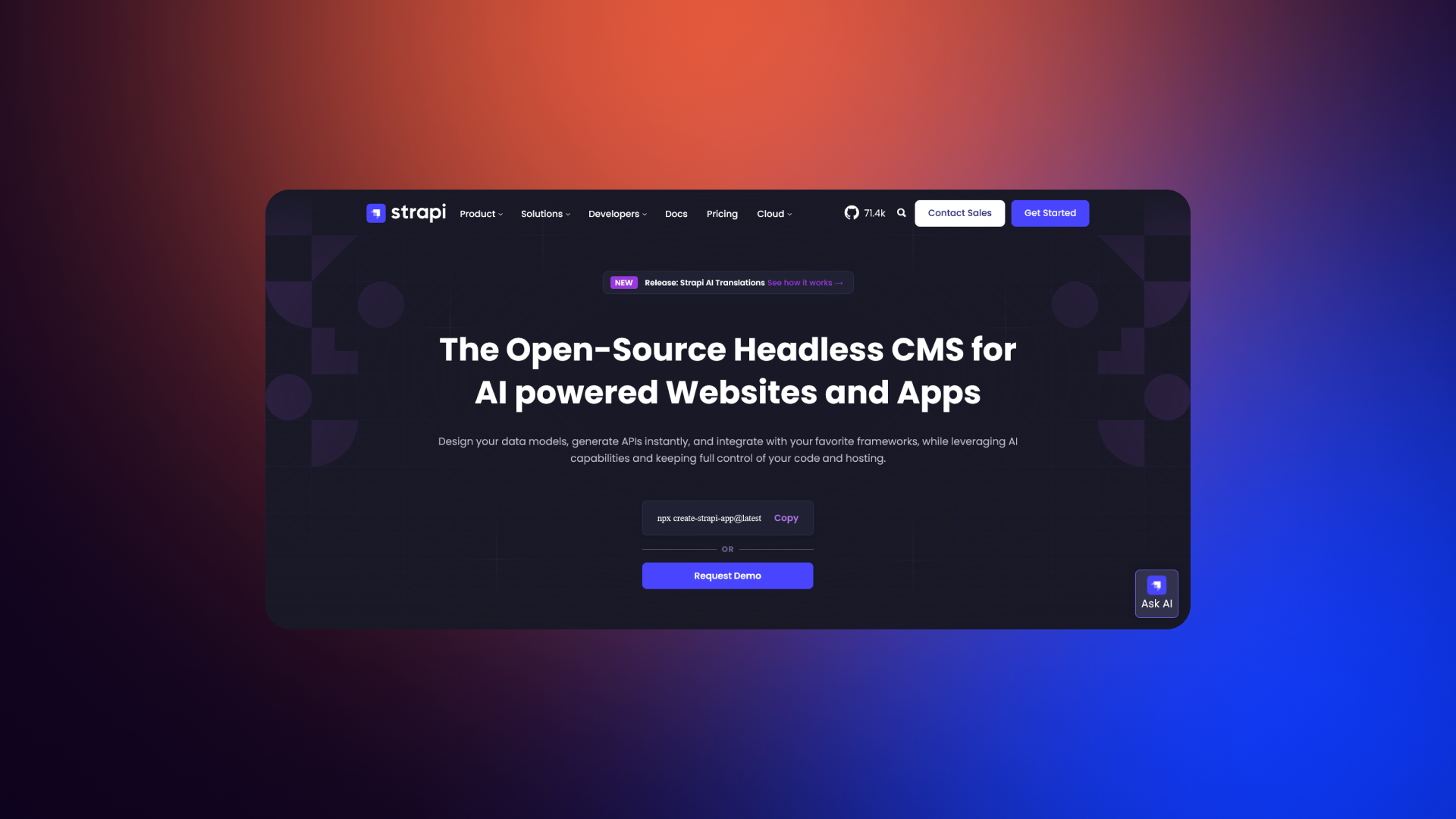
A leading open-source CMS, Strapi is appealing to those who seek full hosting control and cost management. It provides flexibility, but will require in-house infrastructure ownership. Strapi is a favorite among startups or SaaS businesses who prioritize control over convenience.
Hygraph (formerly GraphCMS)
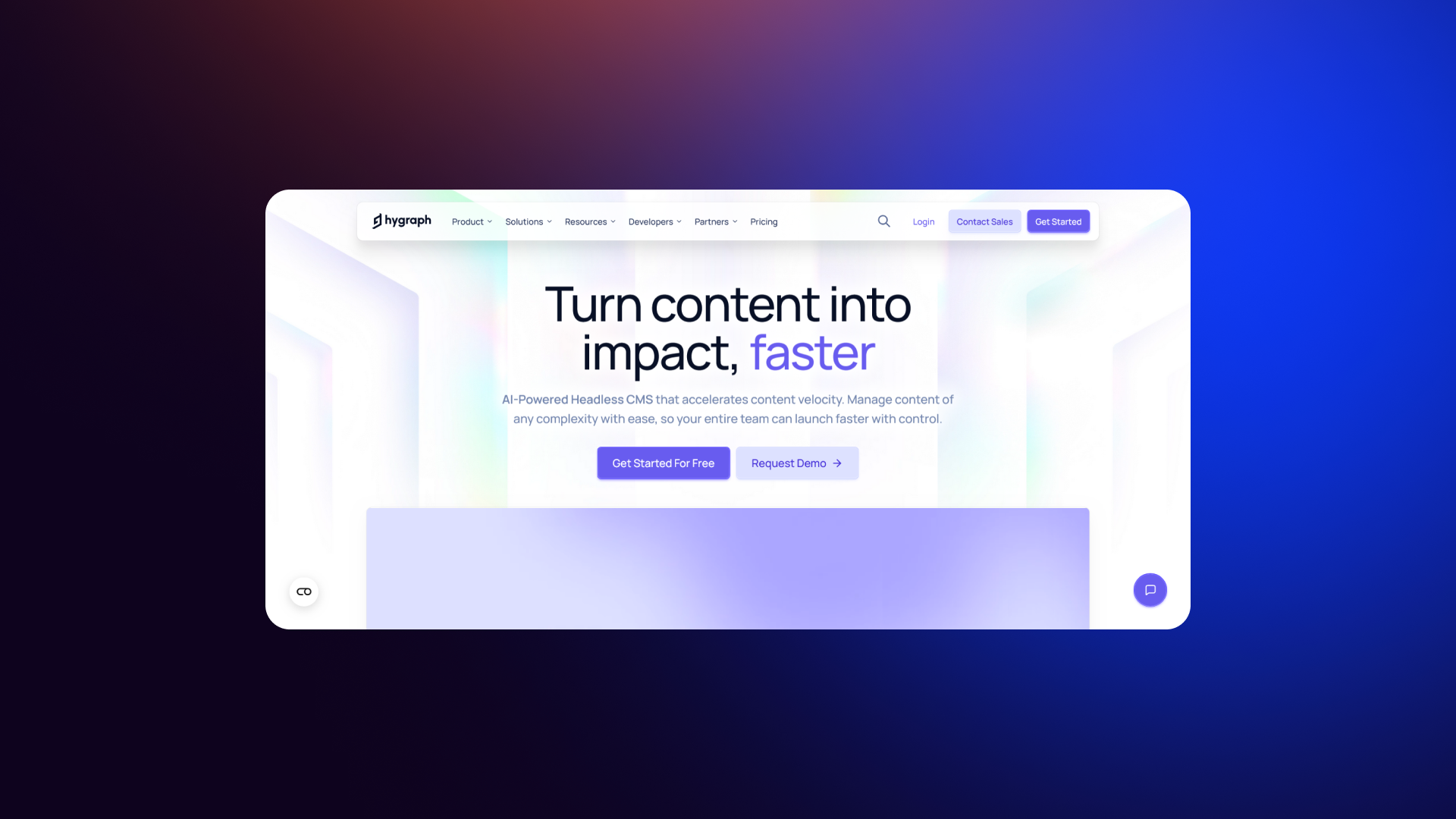
Hygraph is GraphQL-native and supports content federation across your ecosystem. It’s well suited to API-first organizations that are already reliant on GraphQL architecture.
Prismic
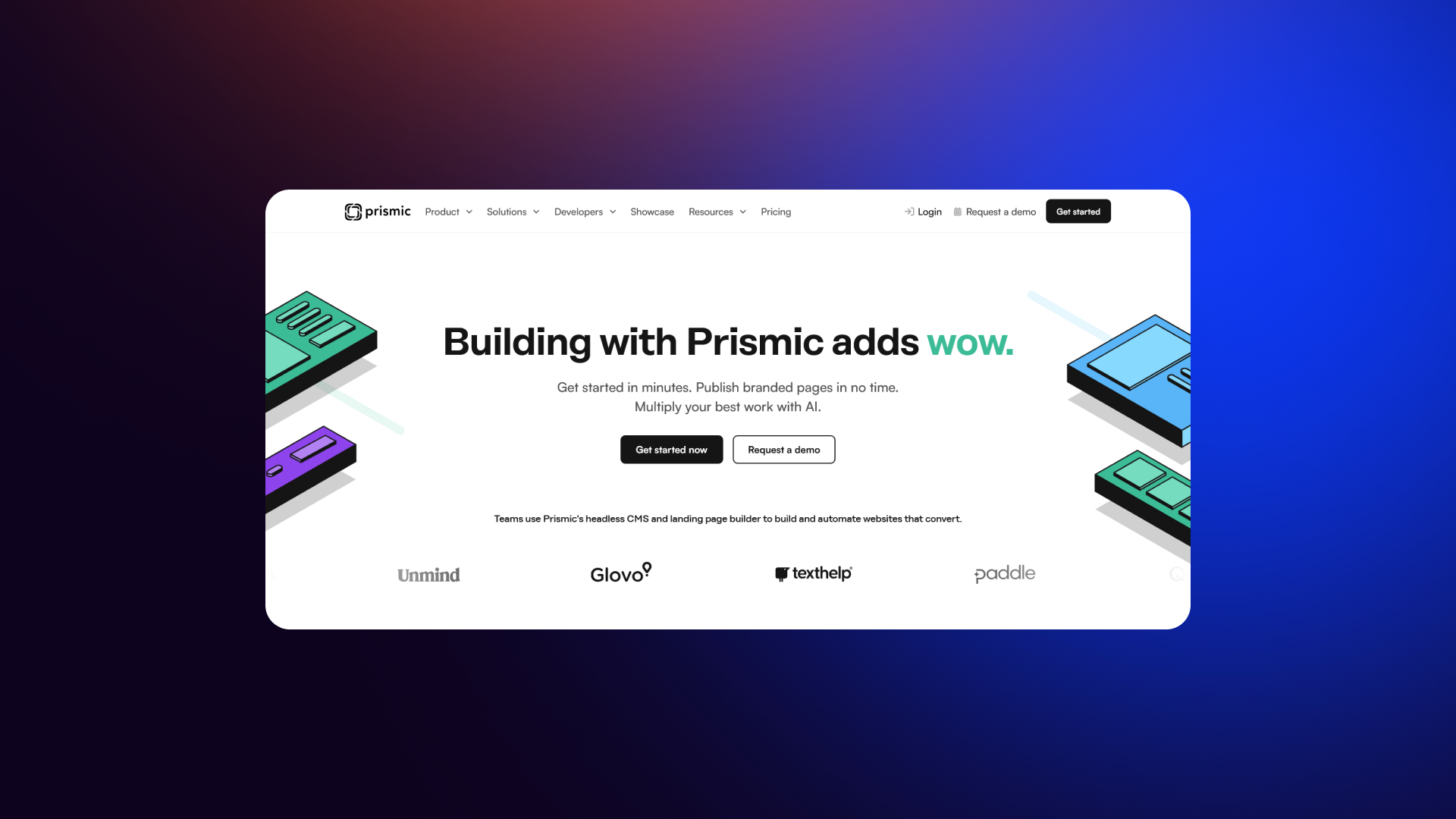
Prismic provides slice-based editing and a relatively marketing-friendly interface compared with a lot of headless competitors. This helps strike a balance between developer customization and content team usability.
Payload
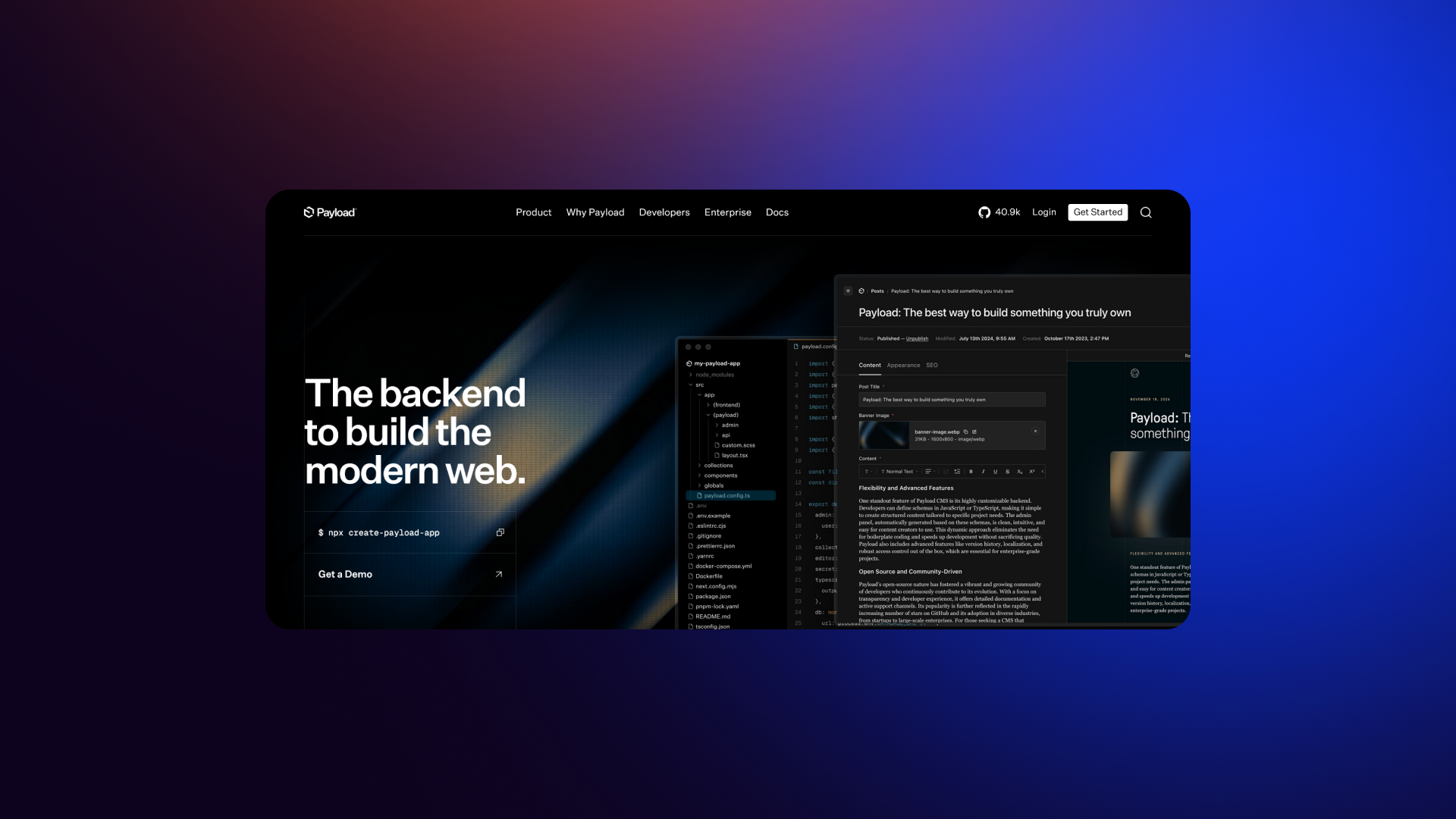
A TypeScript-native platform focused on self-hosting and code-first workflows. Payload is designed for engineering-heavy SaaS teams seeking full backend control.
No platform is universally the “best” and the right choice depends on how central content is to the architecture of your product, as well as whether infrastructure complexity aligns with your company’s growth goals.
Case Studies and Success Patterns
Headless adoption across B2B SaaS businesses typically follows some clear and decisive patterns.
Successful implementations will share some common traits, including:
- Content powering multiple environments
- Prioritizing developer experience
- Edge-native delivery
- Real-time collaboration
- Composable architecture ecosystems
Platforms such as Webflow are expanding API capabilities and flexibility. Check out our blog why every B2B company should be using Webflow, marketing-first platforms are closing functional gaps.
The gaps between headless and traditional CMS platforms is narrowing, and the true factor to consider is not which is more powerful, but which architecture is most suited to your growth model.
Future Trends in the Headless CMS Market
In 2026, the lines between traditional and headless CMS platforms are more blurred than ever. Headless vendors are heavily invested in things like real-time collaboration, edge-native delivery, improved visual editing, and AI-assisted content modeling and generation.
However, platforms like Webflow are also expanding API capabilities and flexibility. Understanding why B2B companies should be using Webflow is important for understanding this, and it’s helping marketing-first platforms to close functional gaps.
The gap between headless and traditional CMS is narrowing. The strategic question is not to do with which of these is more powerful; instead, it’s about the right architecture that matches your company’s growth model.
CTA: Choosing between headless and marketing-first platforms is not merely a technical decision, but a growth decision. If you’re evaluating content architecture for your SaaS business, you should work with Veza to assess your requirements.
Conclusion: When to Choose Headless vs. Simpler Solutions
Choosing between headless and traditional CMS is about alignment. The right architecture depends on how much of a prominent role content plays in your product, as well as how your teams are structured, and where your growth comes from.
Making the Right Choice
Use the following criteria to help guide your decision as a business seeking to find the optimal CMS for your company. These are some of the key elements you have to keep in mind:
Choose a headless CMS if:
- Your content powers multiple platforms
- Engineering drives content infrastructure decisions
- You need complex content modeling at scale
- Enterprise compliance and governance are critical
Choose Webflow or traditional CMS if:
- Your marketing website is your principal growth engine
- Your marketing teams need autonomy
- Speed to market is essential for you
- Development resources are limited
- Your budget is constrained
Decision Matrix
If your product depends on content infrastructure across your products, headless makes the most sense. If your growth hinges on marketing velocity, simpler solutions tend to be the leading choice.
Final Recommendations
Before you choose headless, it is essential to understand your business needs. If your content is exclusive to your marketing website, Webflow tends to be the fastest and cheapest option for your marketing team. Headless CMS is powerful infrastructure, but if you don’t need this level of complexity, it can become expensive.
If you are unsure which is the correct direction to take, check out our Webflow development services, or work with Veza to evaluate your content architecture so you can make the right long-term decision.
CTA: VezaDigital helps B2B SaaS companies build marketing websites. Whether you need headless or Webflow, we can help you decide.
FAQs
General
- What is a headless CMS and how does it differ from traditional CMS?
A headless CMS separates content from presentation, and helps to deliver it via APIs, whereas traditional CMS platforms combine backend and frontend with in-built templates.
- Do B2B SaaS companies need a headless CMS?
Yes, if their content is powering multiple platforms. Marketing-only websites typically don’t need this.
- What are the main benefits of headless CMS for B2B SaaS?
Headless comes with many benefits, with one being that it helps to enable multi-channel delivery, custom content modeling, scalability, and greater control for developers.
Platform-Specific
- What is the best headless CMS for B2B SaaS?
The best platform depends on needs, while Contentful is suited to enterprise scale, Sanity essential for developer flexibility, and Strapi the ultimate choice for self-hosting.
- Is Contentful worth the cost for B2B SaaS?
Contentful is perfect for the complex, multi-channel enterprise setups, but it could be overkill for marketing-focused teams.
- Should I use Sanity or Contentful for B2B SaaS?
Choose Sanity for developer-first customization, and look at going for Contentful if you seek ecosystem maturity.
Technical
- What's the difference between REST API and GraphQL in headless CMS?
REST uses fixed endpoints for data retrieval, while GraphQL allows flexible queries in a single request.
- Can I use headless CMS with Webflow?
Yes. However, headless CMS is able to integrate with Webflow via APIs, though most companies use Webflow independently for marketing sites.
- How much does it cost to implement headless CMS?
Headless CMS implementations often cost several times more than traditional platforms when development and maintenance are included.
Decision-Making
- When should a B2B SaaS company NOT use headless CMS?
Your business should NOT use headless CMS if your primary requirement is a marketing website and you are lacking dedicated developers or budget.
- Is Webflow a headless CMS?
No. Webflow is a traditional CMS system, but it does offer API flexibility.
- How do I migrate from traditional CMS to headless?
Migration requires restructuring content models, rebuilding the frontend, and integrating APIs via a planned rollout.