.jpg)
Search behaviors are changing much faster than a lot of marketing teams realize. Buyers are increasingly asking AI systems for direct answers, instead of trawling through pages of data and search results. When someone asks ChatGPT, Perplexity, or Google AI Overviews for recommendations, those platforms will summarize information and cite sources directly.
For B2B companies, this creates a new layer of visibility. Now, you aren’t simply optimizing for rankings, but also to become the source that AI systems reference when they generate their answers. This is known as answer engine optimization (AEO).
The shift is one that is currently happening at scale, with ChatGPT alone serving more than 800 million users per week. Now, the question for businesses and marketing teams is no longer, ‘How do I rank for this keyword?’ but instead has evolved into, ‘How do I become the go-to answer AI systems cite?’
Abstract
Search is increasingly moving toward convenience and efficiency, evolving from links to answers. AI platforms now synthesise information directly inside experiences. Gartner predicts that search engine volumes are set to drop 25% across 2026, due to the rise of AI chatbots, illustrating how customer search habits are set to change.
The change will come in how discovery works, and visibility becomes less about Google rankings and more about being cited by AI systems. This guide will explain how AEO works, the differences between AEO, SEO, GEO, and LLM, and how to track whether your brand is appearing in AI search responses.
At Veza Digital, we codified AEO implementation into WAIO, and this guide shows the principles that we used with clients ,including Chili Piper and Grata.
Quick Reference: AEO Implementation Overview
The AEO Reality Check:
Traffic from AI search converts at a 4.4x higher rate than traditional organic search. Being cited builds pre-sold trust. The window to establish presence while competition is low is open now.
What is Answer Engine Optimization (AEO)?
Answer engine optimization (AEO) is the practice of structuring content so AI-powered answer engines are able to extract and cite it directly in generated responses. These answer engines include platforms including ChatGPT Search, Perplexity, Claude, and Google AI Overviews. Instead of presenting users with a list of links, these systems synthesize information from multiple sources and present a summarized answer, often including citations to the sources they trust.
This shift fundamentally changes how visibility works online. Traditional SEO focused on ranking webpages in search results so users would click through to a website. AEO focuses on ensuring that your content becomes the source AI systems reference when they’re generating answers.
The importance of this shift is driven by rapid changes in search behavior. ChatGPT alone serves 800 million weekly users, up from 400 million since 2024. At the same time, research shows that zero-click searches reached around 69% in 2025, up from 56% the previous year. Google’s dominance is also beginning to erode, with global search market share dropping below 90% for the first time in years as AI tools capture a growing share of international queries.
This is not simply a technological change, but one that reflects a new research pattern for buyers.
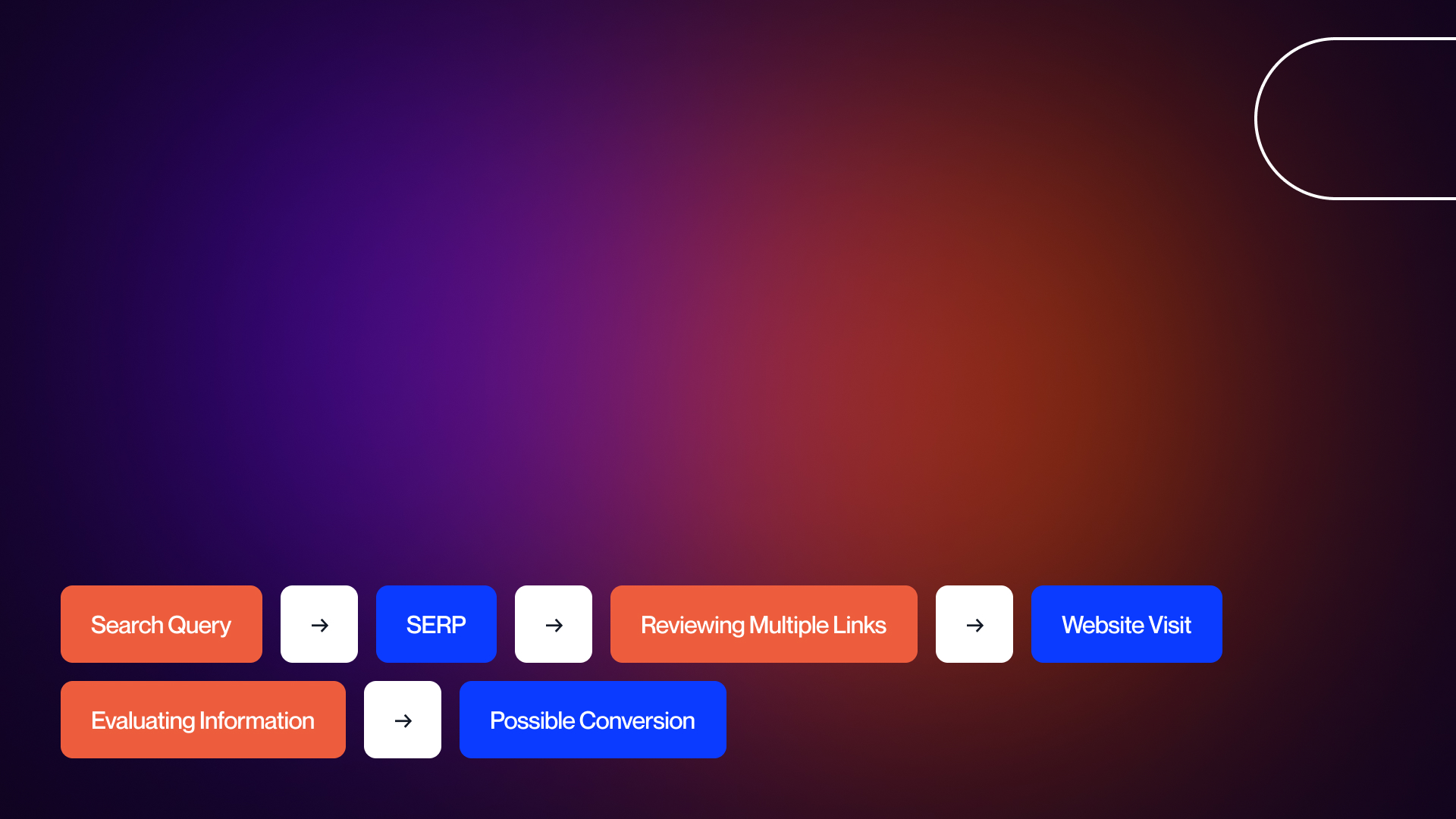
In the traditional search model the process went Rank > Click > Visit > Convert. But answer engines introduce a different flow, where AI cites your content > User trusts recommendation > Higher-intent visit.
In this model, having an AI system cite your business is an early brand impression. Buyers often see your brand recommendation before visiting your website. For B2B companies, this makes AEO an extension of SEO as opposed to a replacement. Strong SEO foundations are crucial because many AI systems rely on search indexes for discovery. However, ranking alone is also not enough, and you must structure your content so that AI systems are able to extract and understand it.
If you want a deeper breakdown of the terminology behind this shift, check out our comparison of SEO vs GEO vs AEO vs LLM SEO.
User Search Query
↓
Search Engine Results Page (SERP)
↓
User Reviews Multiple Links
↓
User Clicks One Result
↓
User Visits Website
↓
User Evaluates Information
↓
Possible Conversion
User Question to AI System
↓
AI Aggregates Information
(ChatGPT, Perplexity, AI Overviews)
↓
AI Generates Direct Answer
↓
AI Cites Trusted Sources
↓
User Sees Brand Mention
↓
User Clicks for Deeper Research
↓
Higher-Intent Visit
Traditional SEO focuses on ranking web pages so users click through search results. AEO focuses on structuring content so AI systems extract and cite it directly when generating answers.
AEO vs GEO vs LLM SEO - What Do These Terms Mean?
As AI search has grown, several overlapping terms have emerged to describe the same underlying practice. Marketers may encounter answer engine optimization (AEO), generative engine optimization (GEO), and LLM SEO used interchangeably. While they refer to similar ideas, the terms originate from different communities and emphasize slightly different aspects of AI search visibility.
Answer Engine Optimization (AEO) is the most commonly used practitioner term. It focuses on structuring content so that AI-powered platforms can extract and cite it when generating answers. Because it applies across platforms such as ChatGPT, Perplexity, and Google AI Overviews, AEO has become the most practical umbrella term for marketers and SEO teams.
Generative Engine Optimization (GEO) originated in academic research. The term was introduced in work from researchers at Princeton University and Georgia Tech, who studied how generative AI systems retrieve and synthesize web content when producing answers. GEO is typically used in research papers and technical discussions about generative search models.
By contrast, LLM SEO comes from the developer and technical SEO community. It describes techniques for making content more understandable to large language models (LLMs). This tends to include structured data, entity clarity, and semantic HTML that helps machine learning models interpret information more accurately.
Although terminology varies, the core objective remains the same, and that is to ensure that AI systems are able to discover, understand, and confidently cite your content when attempting to answer user queries.
For most B2B marketing teams, AEO is the most practical and comprehensive term, because it encompasses optimization across all AI answer platforms, as opposed to focusing on a specific technology.
In practice, these concepts overlap significantly. A content strategy designed for AEO will typically satisfy GEO and LLM SEO principles as well. The difference lies primarily in perspective: marketers talk about answers, researchers study generative engines, and developers focus on language models.
If you want a deeper breakdown of how these concepts relate, see our detailed SEO vs GEO vs AEO comparison guide.
AEO/GEO/LLM SEO Comparison Matrix
AEO vs SEO: Why You Need Both
Answer engine optimization works closely to enhance SEO, as opposed to replacing it. SEO ensures your content can be discovered and ranked by search engines. While AEO ensures that content is extracted and cited by AI systems while generating answers.
In practice, strong SEO foundations make AEO much more effective. The majority of current AI platforms still rely on traditional search infrastructure to discover content. For instance, ChatGPT pulls from Google’s search index for real-time results, while Google AI overviews draw from top-ranking pages. If your content doesn’t rank or demonstrate authority, it lowers the probability that it will be cited by AI.
The difference comes from the outcome you are optimizing for. Traditional SEO focuses on ranking pages so that users are able to click through to a website. AEO focuses on structuring content so that AI systems can reference it directly when answering questions.
AI search systems also evaluate signals differently from traditional search engines. Research indicates that platforms like Perplexity place a huge amount of emphasis on content freshness (around 40%), while authority signals make up around 15% of ranking influence. Keeping your content regularly updated and structured leads to a greater chance of AI system citation.
How to Optimize Your Website for ChatGPT, Perplexity, and AI Overviews
.jpg)
Answer engine optimization becomes practical when you translate it into concrete implementation steps. While traditional SEO focuses heavily on keywords and backlinks, AEO is focused more on how easily AI systems can parse, extract, and cite your business content.
These are some of the most important on-site optimizations B2B companies should look to implement if they want their content referenced by ChatGPT, Perplexity, and Google AI Overviews.
1. Use semantic HTML instead of “div-soup”
AI systems analyze page structure to understand how information is organized. Pages built with semantic HTML are far easier for AI parsers to interpret.
Use proper hierarchy and semantic tags such as:
- <article>
- <section>
- <nav>
- <aside>
Clear heading structure also matters. Your page should follow a logical hierarchy:
H1 → H2 → H3
This makes it easier for AI systems to identify sections that contain extractable answers.
2. Implement comprehensive schema markup
Schema markup provides machine-readable context about the content on your page. For AEO, the most important schema types include:
- Organization
- Article
- Person
- FAQ Page
- BreadcrumbList
Schema helps AI systems understand relationships between entities, authors, and topics. However, it must also match visible page content because misleading schema is typically ignored by search engines and AI systems alike. Teams implementing these improvements as part of a broader SEO strategy often combine AEO tactics with structured technical optimization, such as Webflow SEO services, to ensure their site architecture and schema implementation supports traditional search rankings and AI citations.
3. Structure content for extractability
One of the most overlooked AEO factors is content structure. Research into AI citation patterns shows that 44% of AI citations come from the first 30% of a page’s content. That means answers buried deep in long paragraphs are far less likely to be used by AI systems.
Make sure you use an inverted pyramid structure:
- Direct answer immediately after headings
- Supporting explanation
- Additional context or examples
Best practices:
- Provide 40-60 word answers directly after headings
- Keep paragraphs between 25-40 words
- Use clear subheadings that mirror search queries
This structure dramatically improves and increases the probability of AI systems extracting your content.
4. Write citation-worthy passages
AI models prioritize passages that clearly and concisely answer questions. The most effective types of AEO passages will typically include:
- A direct definition or explanation
- Named sources or statistics
- Clear topic focus without unnecessary filler
For example, instead of writing a long introduction, place the key explanation immediately after the heading. This allows AI models to quote your content without the need for additional interpretation.
5. Maintain content freshness
Content freshness plays a much larger role in AI search systems than in regards to traditional SEO. Research suggests that Perplexity weights freshness at roughly 40% of ranking influence, according to an analysis of AI citation patterns.
Practical steps here include:
- Updating key pages monthly
- Adding visible “Last updated” timestamps
- Refreshing statistics and examples
- Expanding sections when new developments occur
Including a simple editorial calendar can drastically improve AI citation rates.
6. Create clear entity paragraphs
AI systems rely heavily on entity recognition.
In order to help models understand relationships between topics, make sure you create short paragraphs that clearly define important entities, such as:
- Companies
- Technologies
- Frameworks
- Key concepts
These are important definitions that make it simpler for AI systems to build knowledgeable connections.
7. Add FAQ sections with structured data
FAQ sections mirror how AI systems retrieve answers, and each question should match common search queries, be written in conversational language, and include a 1-3 sentence direct answer.
When combined with FAQPage schema, this structure increases the chances of your answers appearing in AI-generated responses.
8. Optimize page speed
AI crawlers still rely on traditional web infrastructure. Slow pages can reduce your site’s crawl efficiency, and will often limit how frequently AI systems revisit your content.
Try to aim for:
- Lighthouse score above 90
- Time to First Byte under 200ms
- Strong Core Web Vitals
These factors can result in improvements that are beneficial to both traditional SEO and AEO.
9. Allow AI crawlers in robots.txt
Many companies unintentionally block AI systems from accessing their content, which causes major setbacks.
User-agent: GPTBot
Allow: /
User-agent: PerplexityBot
Allow: /
User-agent: ClaudeBot
Allow: /
User-agent: GoogleOther
Allow: /
Blocking these crawlers prevents your content from being used in AI responses.
10. Build topical authority through content clusters
AI systems prefer sources that demonstrate deep topical expertise. The most effective structure is a pillar and cluster model:
- Pillar page covering the main topic
- Supporting articles covering subtopics
- Internal linking between related pages
For instance, a pillar article on AEO should connect to supporting resources such as AI SEO tools, implementation guides, and platform-specific optimization strategies.
10-Item AEO Implementation Checklist
ROBOTS.TXT CODE BLOCK
# Allow AI crawlers for AEO visibility
# Add these rules to your robots.txt
# ChatGPT / OpenAI
User-agent: GPTBot
Allow: /
# Perplexity
User-agent: PerplexityBot
Allow: /
# Claude / Anthropic
User-agent: ClaudeBot
Allow: /
User-agent: anthropic-ai
Allow: /
# Google AI Overviews
User-agent: GoogleOther
Allow: /
# Google Extended (Gemini/Bard training)
User-agent: Google-Extended
Allow: /
# Bing/Copilot
User-agent: bingbot
Allow: /
# Standard search crawlers (keep existing)
User-agent: Googlebot
Allow: /
User-agent: *
Allow: /
To help ensure your content appears in AI-generated answers, your robots.txt file should allow access for AI crawlers such as GPTBot, PerplexityBot, and ClaudeBot. Blocking these crawlers prevents AI platforms from retrieving and citing your content.
Platform-Specific AEO Tactics
Although AEO follows common principles, each AI platform retrieves and evaluates information in a different way. Understanding these differences helps to ensure that your content appears consistently across AI search environments.
ChatGPT Optimization
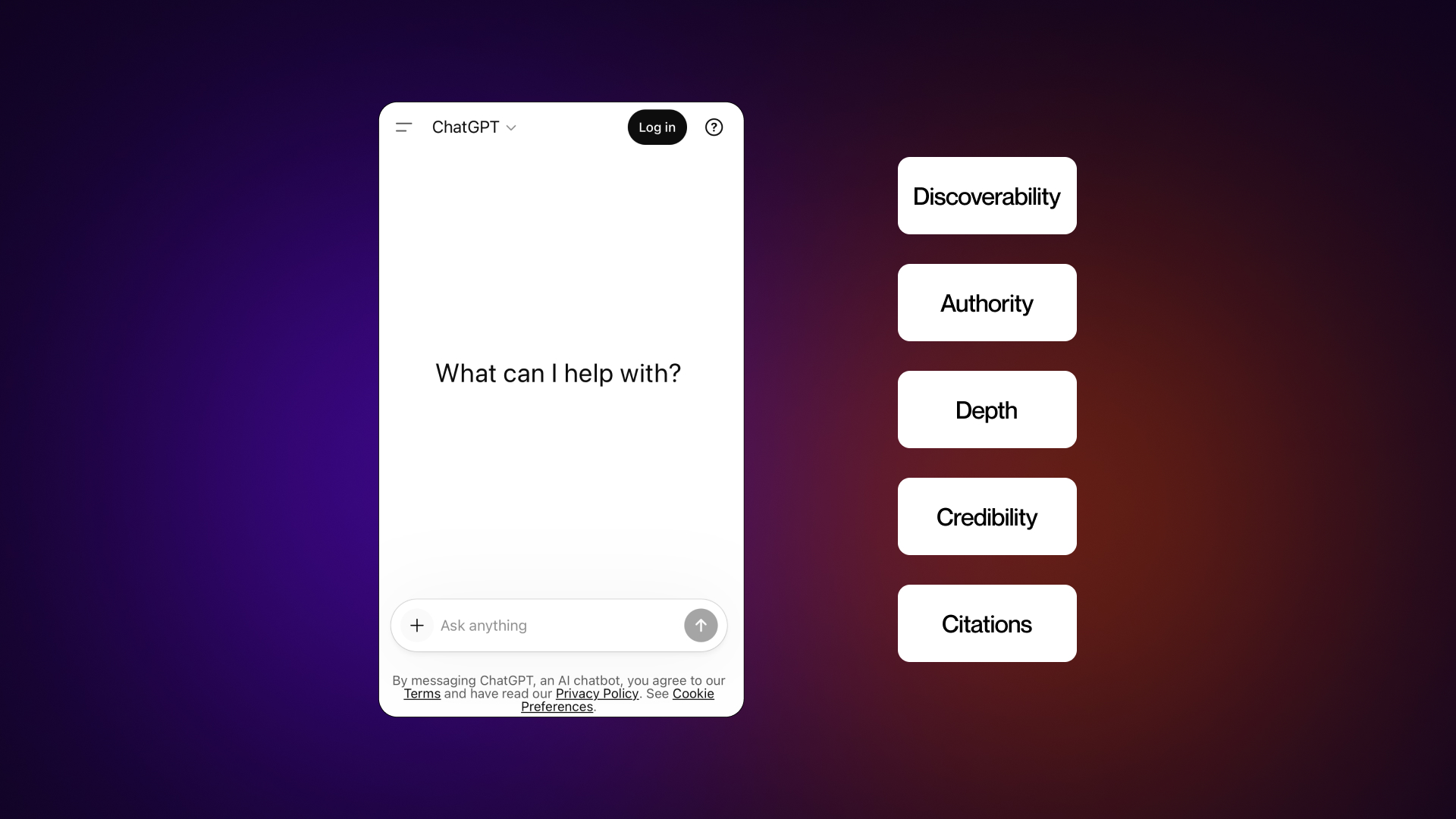
ChatGPT currently dominates AI search usage, holding around 70% of the AI search market. When using real-time browsing, it often retrieves information from traditional search indexes, meaning that content that is not discoverable by search engines is not likely to appear in responses.
ChatGPT tends to favor comprehensive, well-sourced content that demonstrates clear expertise and credibility. Studies of citation patterns show that Wikipedia accounts for almost 50% of the top sources referenced in responses, highlighting the importance of authoritative sources. Referral traffic from ChatGPT has increased considerably, growing by more than 120% between 2024 and 2025.
Perplexity Optimization
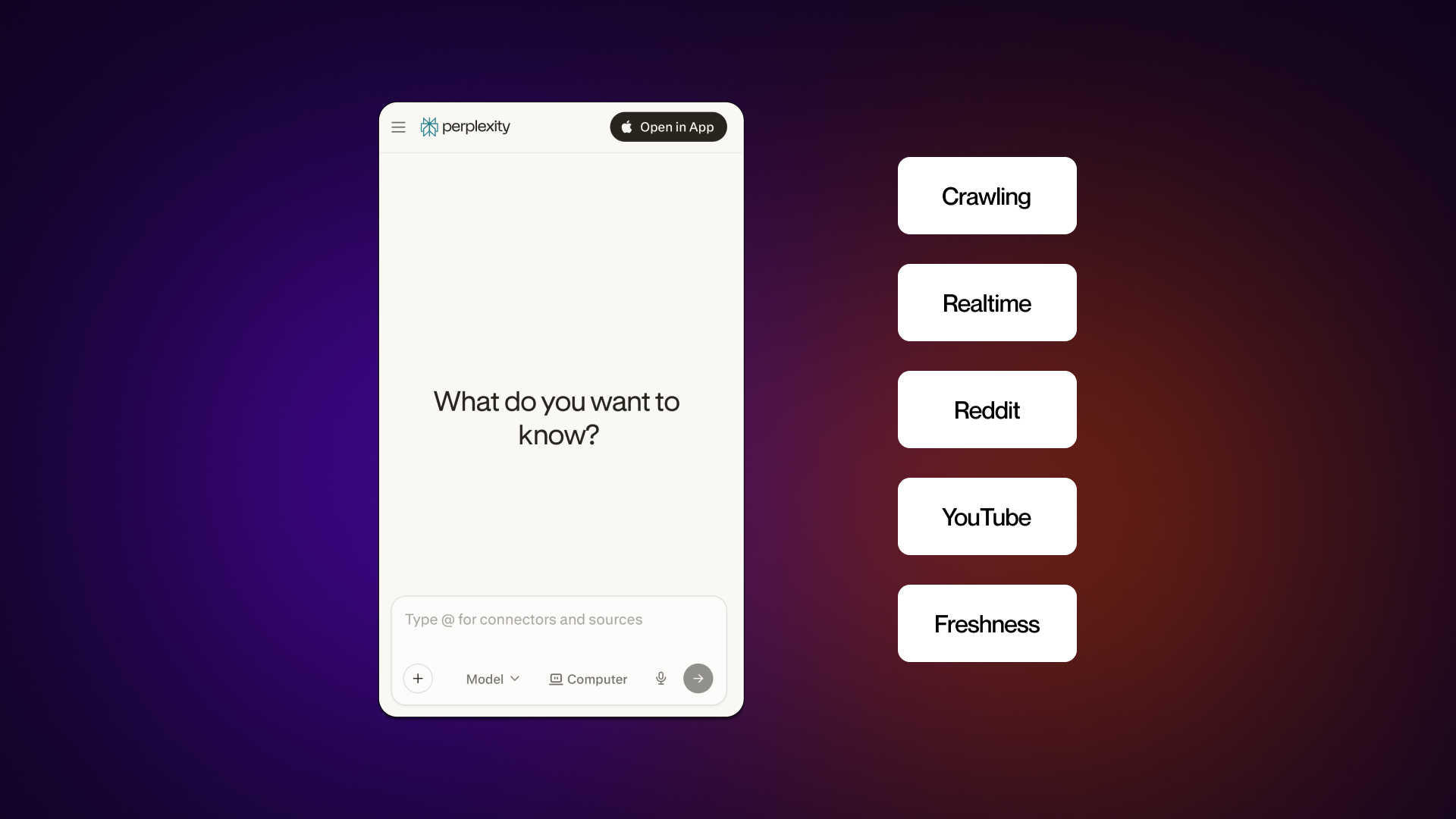
Perplexity operates differently from ChatGPT because it runs its own crawler (PerplexityBot) and retrieves information directly from the web in real time. Answers include multiple numbered citations, meaning a broader set of sources can show up within a single response.
Research indicates that Reddit accounts for almost 46% of top citations in Perplexity answers, while YouTube transcripts represent around 14%. Freshness is a considerable ranking signal, so regularly updated pages and timely information perform better.
Google AI Overviews Optimization
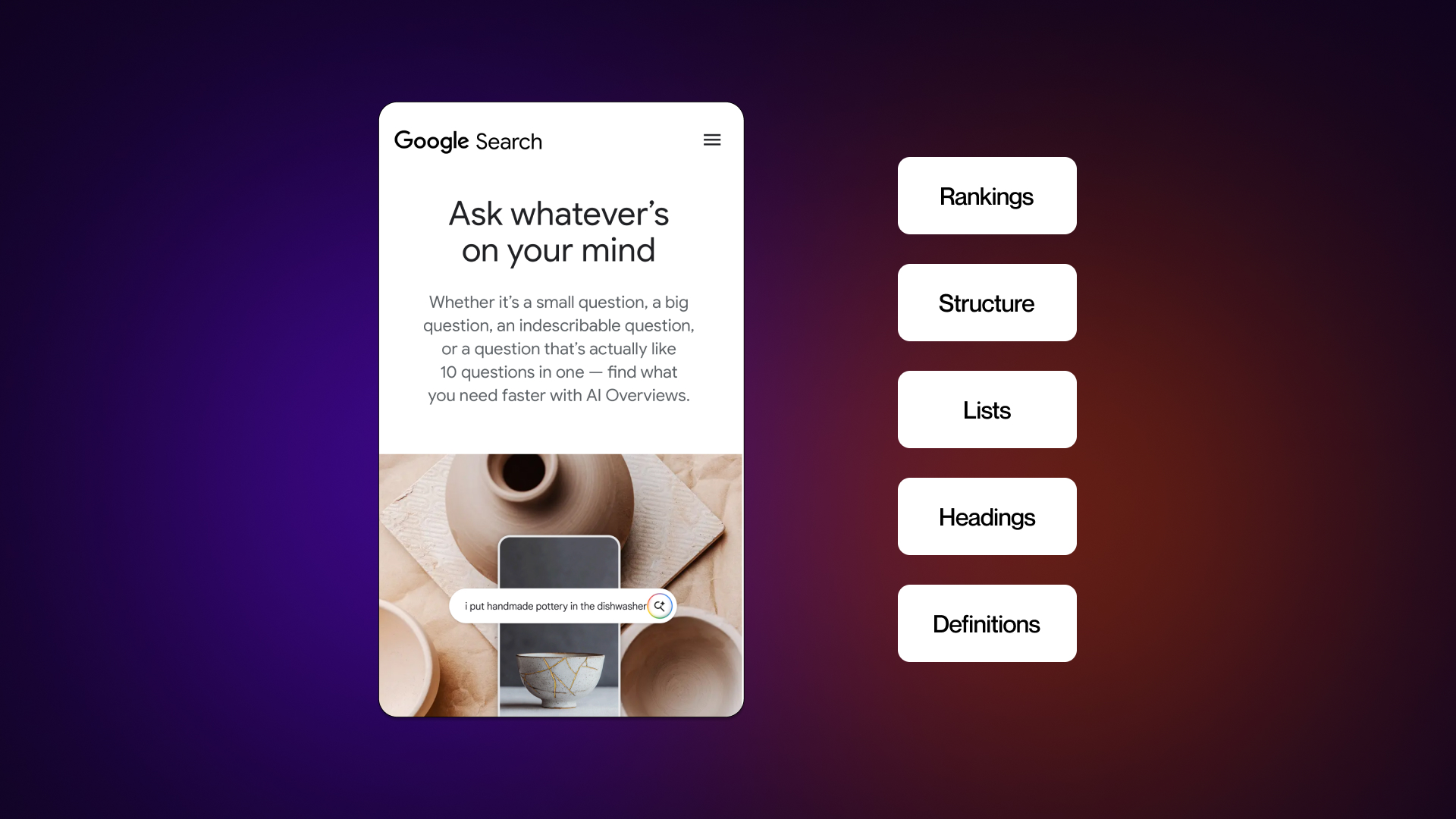
Google AI Overviews rely very heavily on traditional search rankings, often pulling from pages that already appear in top organic results. Around 50% of US search queries now trigger AI Overviews, and studies show that the #1 organic position can lose more than one-third of clicks when an AI summary appears.
Formatting is also incredibly important. Between 40% and 60% of AI Overviews contain list-based answers, and this means that structured content with headings, bullet points, and clear definitions improves the likelihood of being cited.
Platform Comparison Table
Building Off-Site Signals That AI Systems Trust
Most AEO guides focus heavily on on-site optimization. However, AI systems don’t evaluate websites in isolation. Looking for consensus signals across the web determines whether a brand is credible enough to cite.
This means that AI platforms scan multiple independent sources to verify information. When a company shows up consistently across discussion forums, review platforms, and video platforms, AI systems have the confidence that the brand represents a genuine authority. It’s also worth understanding that brands that are only mentioned once tend to appear less trustworthy.
Evidence already supports this pattern. Research shows that Reddit appears in close to 21% of Google AI Overview citations and roughly 45% of Perplexity responses. YouTube makes up close to 15% of Perplexity citations, largely due to the fact that AI systems crawl video transcripts.
Companies that have active G2 or Capterra profiles tend to receive higher citation rates among AI-generated results, suggesting that review platforms reinforce credibility signals.
Here are 5 off-site strategies you can look to implement to improve your AI searchability:
1. Reddit and forum participation
AI systems source Reddit discussions as peer validation. Instead of dropping promotional links, companies should be participating in authentic and relevant communities and providing professional insights, as this will help establish expertise.
2. YouTube content and transcripts
Video platforms contribute to AI knowledge graphs because transcripts are machine-readable. Tutorial videos, webinars, and product explainers help reinforce topical authority, particularly when transcripts clearly reference relevant topics and terminology.
3. Review platform credibility
Developing profiles on platforms like G2 and Capterra provide credibility signals. Maintaining accurate information and responding to reviews helps reinforce legitimacy in AI-generated responses.
4. Knowledge base and encyclopedia signals
Wikipedia remains one of the most frequently cited sources in AI responses. While not every company qualifies for a page, ensuring accurate company information across Wikipedia, LinkedIn, and structured knowledge bases help enforce entity recognition.
5. Industry publications and media mentions
Guest articles, expert quotes, podcasts, and more allow AI to associate your brand with a multitude of trusted publications. When multiple sources mention the same company, this increases the confidence score of AI systems. Authenticity is the key here. Off-site signals are not manipulating algorithms, but about real visibility across trusted platforms, so that AI systems get confirmation of your expertise.
AEO for Voice Search
Voice search represents one of the clearest examples of answer engine optimization in practice. Unlike traditional search, voice assistants deliver a single spoken answer rather than a list of links, resulting in only a single source typically being cited.
Adoption continues to grow at a rapid rate, and 2026 has seen the number of voice assistant users in the United States hit close to 157 million, with voice commerce projected to pass $80 billion. Voice queries tend to behave differently from typed searches because they are longer and more conversational, averaging 7-10 words as opposed to the typical 2-3 words found in typed queries.
Around 58% of voice searches also have local intent, reinforcing the importance of providing accurate information.
Key ways to optimize include:
- Writing conversational, natural phrasing that mirrors questions
- Using question-style headings that align with spoken queries
- Providing 1-3 sentence answers that can be read aloud easily
- Add FAQ sections through FAQPage schema
- Keep Google Business Profile and local information accurate
In practice, voice search is key for reinforcing AEO principles, and if your content is structured for AI systems to easily extract answers, it’s also well optimized for voice search.
How to Measure AEO Success
Answer engine optimization raises a new concern for a lot of marketers, how do you measure visibility when AI generates answers instead of clicks? While traditional SEO relies on rankings and traffic, AEO performance is measured through citations, mentions, and AI referral activity. Studies analyzing AI search citations show freshness and multi-source agreement heavily influence which pages are referenced.
Several practical methods allow teams to monitor whether their content is appearing in AI responses.
1. Manual brand and category searches
One of the simplest approaches is to test prompts in platforms such as Perplexity, Claude, and ChatGPT. Run category queries monthly and make sure you document where your brand appears, and track which passages AI systems quote.
2. GA4 referral tracking
AI traffic can be identified via referrer data. You can create a custom GA4 channel grouping for AI or LLM traffic, filtering for sources including chat.openai.com, perplexity.ai, and claude.ai. Comparing engagement and conversion rates against organic traffic can often reveal higher intent from AI-driven visits.
3. Server log analysis
Server logs can reveal when AI crawlers access your site, and by monitoring activity from AI LLMs can reveal which of your pages the systems are evaluating the most commonly.
4. Bing Webmaster Tools AI reporting
Microsoft’s reporting tools provide insight into how content appears within Copilot and AI-powered search experiences. This helps identify pages that are referenced by AI summaries.
5. Dedicated AEO tools
Platforms such as Profound and Ahrefs Brand Radar monitor citations across AI platforms, while Otterly and BrightEdge have additional tracking capabilities. These platforms are explored in our guide to AI SEO tools, which outlines the most useful solutions.
AEO Performance Tracking: 5 Methods
Key Metrics Dashboard
Tool Comparison
Why B2B SaaS Companies Cannot Ignore AEO
Answer engine optimization is essential for B2B companies because the buying process rarely occurs from a single decision-maker. The majority of B2B purchases involve multiple stakeholders who research vendors independently before formal evaluation starts. And it’s becoming more common for this evaluation to occur inside AI systems.
AEO becomes commercially significant once potential buyers reach your website and view your brand as a trusted recommendation already. Studies suggest that traffic originating from AI search converts at roughly 4.4x the rate of traditional organic traffic, because visitors arrive with stronger intent.
This is a shift that also changes the way visibility needs to be measured. Zero-click AI responses might reduce search traffic, but citations need to create brand exposure earlier in the research journey. Analysts predict traditional search volumes could decline by as much as 25% as AI assistants become primary discovery tools.
Examples already show the impact of this shift, with financial platforms like NerdWallet reporting 35% revenue growth, in spite of a 20% drop in traditional traffic.
For many B2B SaaS companies, opportunity is short-term, and it’s important to act early to establish authority, and benefit from compounding, as AI systems continue to reference sources they already trust.
What AEO Implementation Actually Looks Like
Ensuring you understand the principles of AEO is important, but implementing them in practice is more complex. A lot of companies discover that their existing websites were not designed with AI extraction in mind.
In order to retrofit AEO into your existing site means content structures must be adjusted to make answers more extractable, schema must be implemented correctly, and technical elements should be reviewed. Implementing a site-wide optimization strategy rather than isolated elements is the optimal way to achieve this successfully.
Businesses with new websites should find it much easier to integrate AEO principles. Being able to design content structures, entity definitions, schema markup, and topical clusters during the initial build ensures the site is optimized for traditional search and AI-powered discovery.
At Veza Digital, we build this approach into our WAIO framework, designed to embed AEO principles into Webflow websites from the beginning while still supporting traditional SEO performance.
The results show the benefits of this approach, with Chili Piper achieving more than 90% growth, and Grata seeing 70% conversion growth following these optimization principles.
If you wish to evaluate how prepared your current site is for AI search, you can also request a free AEO audit to discover opportunities for improving AI visibility.
FAQs
Below are common questions about answer engine optimization and how your business can enhance visibility in AI-generated search results.
▼ What is the answer engine optimization?
Answer engine optimization (AEO) is the process of structuring content so AI systems like ChatGPT, Perplexity, and Google AI Overviews can extract and cite it directly when generating answers.
▼ What is the difference between AEO and GEO?
AEO focuses on optimizing content for AI citations in answers, while generative engine optimization (GEO) refers more broadly to improving visibility inside generative AI outputs.
Learn more in our SEO vs GEO vs AEO comparison guide.
▼ What is LLM SEO?
LLM SEO refers to technical optimization techniques that help large language models understand and retrieve website content through structured data, entity clarity, and semantic HTML.
▼ How do I get my website into ChatGPT results?
To appear in ChatGPT answers, ensure your content ranks in search engines, is crawlable by GPTBot, and includes structured, citation-ready passages.
▼ How do I appear in Google AI Overviews?
Appearing in Google AI Overviews typically requires ranking in the top organic results while formatting content in lists, clear definitions, and extractable sections.
▼ How important is content freshness for AI citations?
Content freshness is highly influential for AI systems, with platforms like Perplexity reportedly weighting freshness signals at roughly 40%.
▼ Does schema markup help with AI search visibility?
Yes, schema markup helps AI systems understand entities, topics, and relationships within your content, which improves the likelihood of citations.
▼ How long does it take to see results from AEO?
Most websites begin seeing measurable AI citation visibility within several weeks to a few months after implementing structured AEO improvements.
▼ How do I track AEO performance?
AEO performance can be tracked through AI citation monitoring, referral traffic from AI platforms, and tools designed for AI search analytics such as those in our guide to best AI SEO tools.
▼ Does blocking AI crawlers hurt visibility?
Yes, blocking crawlers such as GPTBot or PerplexityBot prevents AI platforms from accessing your content and removes the possibility of being cited in responses.
▼ Should I focus on AEO or SEO first?
Strong traditional SEO should come first because AI systems often rely on search indexes to discover and evaluate trustworthy content.
▼ How does Reddit activity affect AI citations?
AI platforms frequently cite Reddit discussions as peer validation, meaning authentic participation can strengthen off-site credibility signals.
▼ Does AEO help with voice search?
Yes, AEO naturally supports voice search because voice assistants rely on concise, extractable answers that can be read aloud.
▼ How do I optimize differently for ChatGPT vs Perplexity?
ChatGPT favors authoritative sources and strong SEO visibility, while Perplexity emphasizes freshness, Reddit discussions, and multi-source citation patterns.
FAQPage JSON-LD (implementation only)
[paste schema]
Get Started with AEO
Instead of being a future trend, answer engine optimization is already shaping how buyers research vendors, compare solutions, and build shortlists utilizing AI platforms such as ChatGPT, perplexity, and Google AI Overviews.
Companies that structure their content specifically for AI citations now will establish early authority, as these systems mark the future of digital growth.
Work with Veza Digital
Build AI-ready visibility into your website.
- Learn how the WAIO framework works.
- Get a free AEO audit to test your site’s readiness.
Make sure you optimize your site for AI search visibility before competitors edge you out and gain a competitive advantage.